
Snohomish and King County see their share of winter windstorms — and when the power goes out, it can stay out for hours or days. A whole-home standby generator keeps your heat, fridge, well pump, and sump pump running automatically, with no cords and no waiting in the dark.
- Automatic standby power, no manual startup
- Sized to your home's full electrical load
- Runs on natural gas or propane
- Permit & utility coordination included
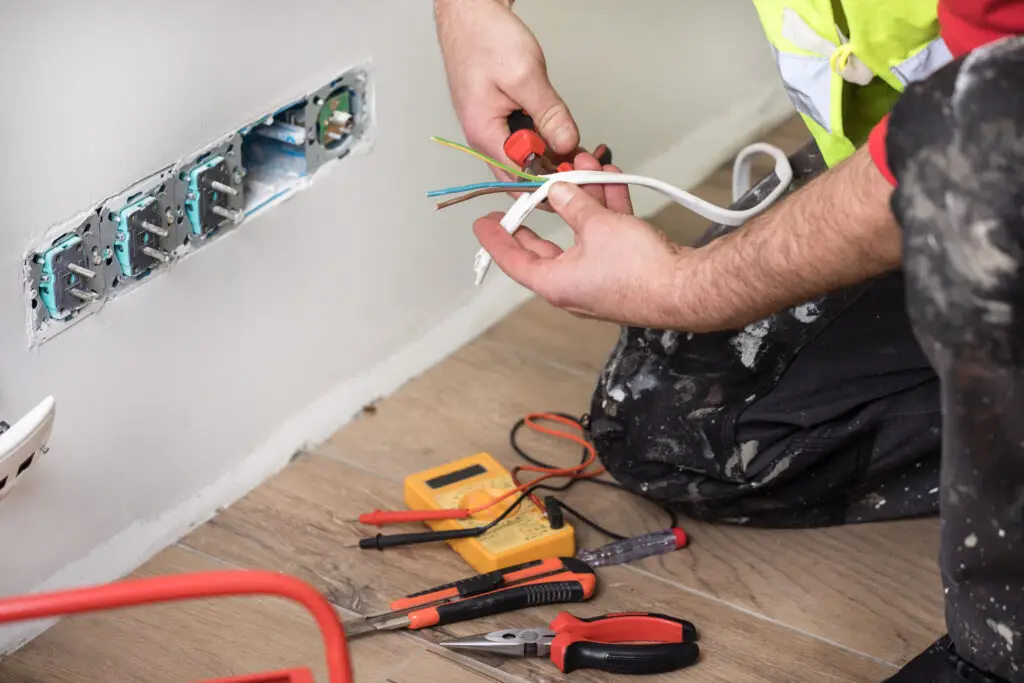
Electrical Panel Upgrades
Why It Matters
Power That Comes Back On Before You Notice It's Gone
A standby generator sits outside your home like a central AC unit, wired directly into your electrical panel through an automatic transfer switch. When utility power drops, the generator starts itself within seconds — no extension cords, no trips to the garage, no guesswork.
We size every system to the circuits that actually matter to you, whether that’s whole-home coverage or just the essentials — heat, refrigeration, and well or sump pumps — so you’re not paying for more generator than you need.
“The best generator is the one you never have to think about — it just starts.”
What’s Included
Backup Power Built Around Your Home
Every generator install is planned around your home’s layout, panel, and the circuits you want protected.
Load Assessment & Sizing
We calculate your home’s real electrical load to size a generator that covers what matters without overspending.
Automatic Transfer Switch
A transfer switch detects outages and switches power sources automatically, safely isolating your home from the grid.
Gas Line Coordination
We coordinate with your gas or propane provider to size and connect fuel lines to the unit.
Panel & Circuit Wiring
Selected circuits are wired into the transfer switch so the right things power on first.
Utility Coordination
We handle utility notifications and interconnection requirements on your behalf.
Permit & Inspection Handling
We pull the permit, schedule the inspection, and manage it directly through sign-off.
HOW IT WORKS
From Assessment to Automatic Power
01
Home Assessment
A licensed electrician reviews your panel, gas access, and generator placement before pricing anything.
02
System Design
We size the generator and transfer switch to the circuits you want protected.
03
Installation & Inspection
The generator, transfer switch, and wiring are installed to code, with inspection scheduled and managed.
04
Startup & Walkthrough
We test the automatic transfer sequence and walk you through operation before we call it done.
FAQ
Common Questions About Home Backup Generators
How long does a generator installation take?
Most installations take one to two days for electrical work, plus scheduling for gas line connection and inspection. We’ll give you a specific timeline after an assessment.
What size generator do I need?
It depends on what you want covered — whole-home or just essential circuits. We calculate your actual load during the home assessment before recommending a size.
Do I need a permit for a home generator?
Yes. Standby generator installations require an electrical permit and inspection in Snohomish and King County. We handle both directly.
Can I run my generator on propane instead of natural gas?
Yes, most standby generators can run on either natural gas or propane. We’ll confirm what’s available at your home during the assessment.
How often does a standby generator need maintenance?
Most manufacturers recommend annual maintenance. We offer maintenance plans to keep your system ready before storm season.
Let’s Get Connected
Have an Electrical Project in Mind?
Request a free consultation and a licensed electrician will follow up the same business day — or call now for anything urgent.